



Nanman Screen - Kobe City Museum
It is a type of screen made in Japan from the late 16th century to the mid-17th century, mainly depicting scenes of communication with Portugal and Spain. This important cultural property created by Kano Uchiyama uses the technique of coloring gold on paper and consists of six pieces. It is currently collected at the Kobe City Museum. The creative background is closely related to Japan's foreign exchanges at that time. In the late 16th century, with the colonial expansion of Portugal and Spain in Asia, Western European countries began to enter Japan's trading circle, and the Japanese at that time referred to them as the "Southern Barbarians". From this work, we can see how Japanese people at that time understood and expressed their communication and interaction with foreign countries through art.

Popular Models
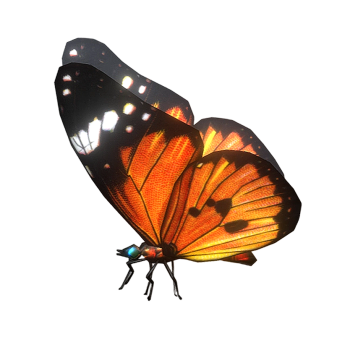
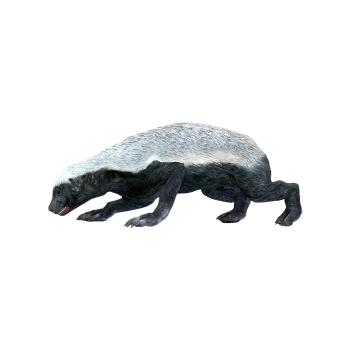
Honey Badger (3D animated model)
194 View
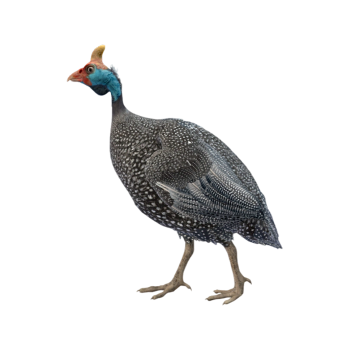
Guinea fowl (3D animated model)
165 View

Wild Goose (3D animated model)
187 View

Red Fox (3D animated model)
155 View
Random Model
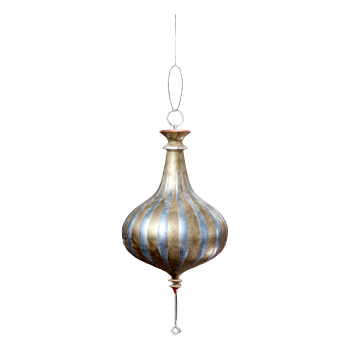
Arabic-style copper chandelier
752 View

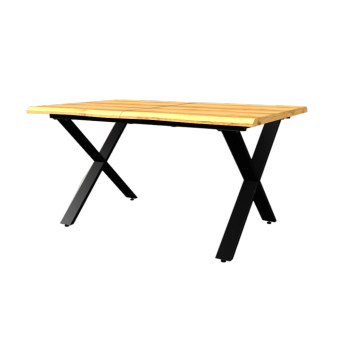
Portable Table
633 View

Japanese battlecruiser IJN Kongo
757 View

Belgian FNSCARMK-17 rifle
1122 View

Atlantic Humpback Dolphin Specimen
550 View

The Beatles
898 View

Hippopotamus skull
1532 View